
Private Client
Sevenoaks
Sally Andrews
Senior Solicitor
Private Client
Sevenoaks
Our Court of Protection and deputyship lawyers help to manage the property and affairs of those who lack mental capacity. Our expert solicitors, who are STEP qualified, can assist you with any applications that need to be made. Our Court of Protection solicitors serve clients across Bromley, London, Surrey, and Sevenoaks, providing expert guidance on deputyship applications, lasting powers of attorney, welfare decisions, property and financial affairs, and statutory will applications.
make an enquiryThe Court of Protection is a specialist court that makes decisions on behalf of individuals who lack the mental capacity to make certain choices for themselves. This can include decisions about finances, property, health, or personal welfare.
If a loved one is no longer able to manage their affairs and hasn’t put a Lasting Power of Attorney in place, the Court of Protection can appoint a deputy to act on their behalf. At Wellers, we guide families through this process with care and clarity, ensuring your loved one’s best interests are fully protected.
Applications to the Court of Protection or the Office of the Public Guardian are often needed when someone has lost mental capacity and does not have a valid Power of Attorney in place. These may include registering an existing Enduring or Lasting Power of Attorney, applying to become a deputy, or seeking court guidance or orders — for example, to make gifts from the donor’s assets or to sell their home.
We support families pulling together and, where there is dispute, can also handle litigation in the Court of Protection. Whatever the situation, we will do our best to help you.
We have particular expertise in dealing with disabled clients and managing personal injury or clinical negligence awards. We also manage the affairs of many elderly clients who suffer from dementia.
If somebody loses their mental capacity to deal with their own affairs without having put in place an Enduring or Lasting Power of Attorney, a deputy will need to be appointed.
Partners in Wellers act as deputies and attorneys in their own right, and our clients range from disabled young adults with substantial compensation payments to retired widows, who need help managing their money.
A deputy application is made to the Court of Protection. The person(s) named as deputy/deputies is/are chosen by the Court of Protection and not by the donor and, accordingly, could be someone the donor would not ordinarily choose to make such decisions.
Deputy applications are generally more complex, more time consuming and therefore more expensive than putting in place a valid Lasting Power of Attorney.
Existing Enduring Powers of Attorney must be registered where the donor has lost, or is losing, their mental capacity to deal with their own affairs.
Applications must be made on prescribed forms and notices must be served on at least three people; those people being defined by a statutory list of family members.
Lasting Powers of Attorney must be registered before use, regardless of whether the donor has lost capacity. Unlike Enduring Powers of Attorney, the donor or the attorneys can seek to have a Lasting Power of Attorney registered. Again, applications must be made on prescribed forms and notices must be served but with Lasting Powers of Attorney, those notices are served on people chosen by the donor (who are specified in the Lasting Power of Attorney form itself).
Anyone on whom notice of the application to register a Power of Attorney is served (including the donor) has the right to object to the registration on one or more of a number of specified grounds. If, however, there are no objections, the Office of the Public Guardian register the Power of Attorney within 6 to 8 weeks (although it can take longer).
Whether you need to apply for deputyship to manage a loved one’s affairs, challenge decisions made on behalf of someone lacking capacity, or navigate complex Court of Protection proceedings, Wellers Law Group’s experienced team in Bromley, Surrey, London, and Sevenoaks combines technical legal expertise with sensitivity to the challenges families face. We understand the emotional and practical difficulties of supporting vulnerable adults and work efficiently to secure the legal authority and protections necessary to safeguard their interests.
Our expert solicitors are STEP qualified and can assist you with any applications that need to be made.
Direct Access to Expertise
You will receive the help of an experienced and qualified legal expert court of protection solicitor, able to assist with applications to CoP.
Trusted Relationship
Someone who you can meet in person and who will spend the time to understand your concerns in the detail they deserve.
Lasting Impact
You can be confident that we will support you and your family to achieve the best possible outcome.
Sally Andrews
Senior Solicitor
Dawn Pearce
Private Client Executive
Nicole Cheel-Jennings
Probate Executive
Levina Khanna
Solicitor
Tara Edwards
Private Client Excecutive
Netsai Mupikata
Solicitor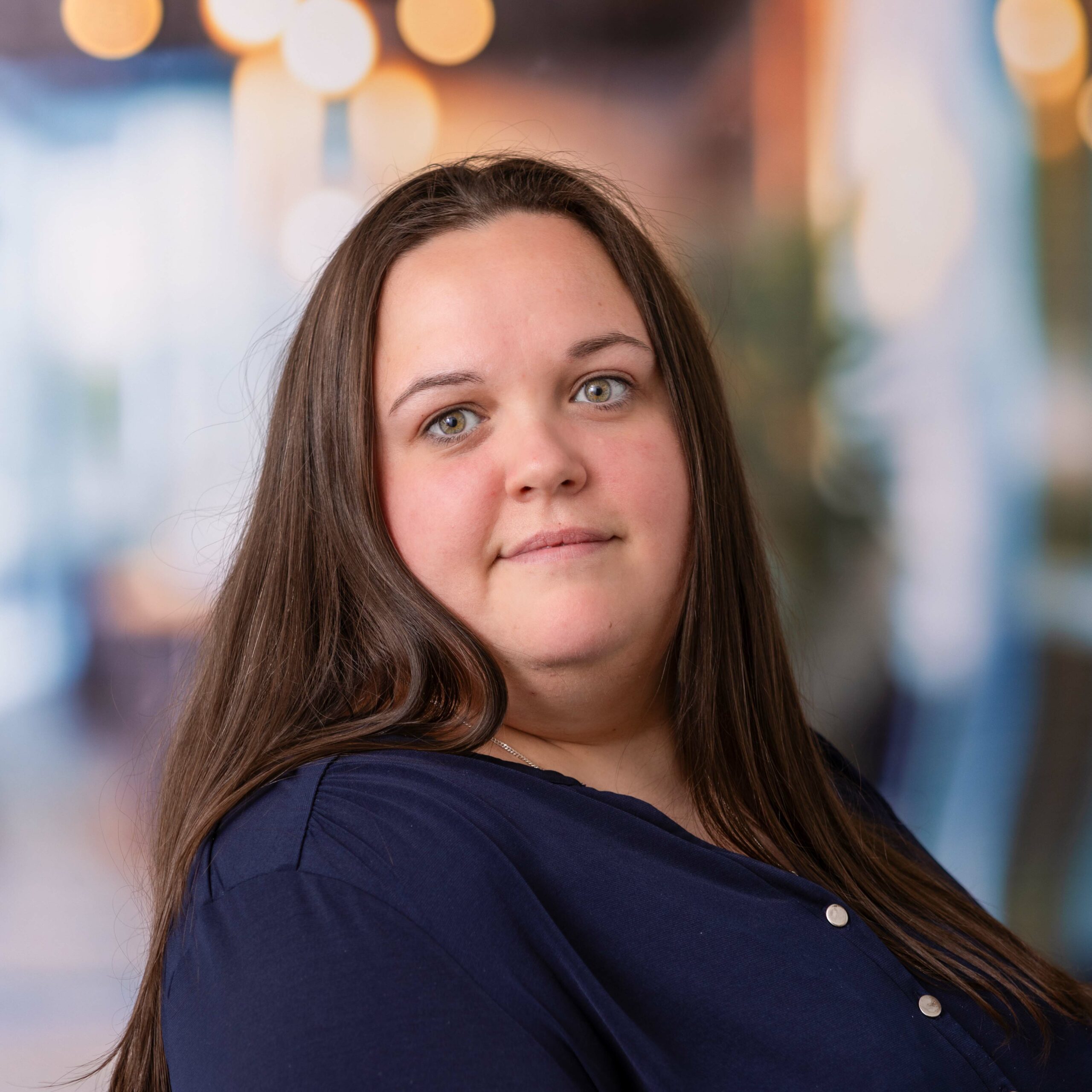
Sasha Burl
Solicitor
Alvin David
Senior Solicitor
Tracey Pyman
Support Staff
Paula Butler
Support Staff
Kristian Longhurst
Support Staff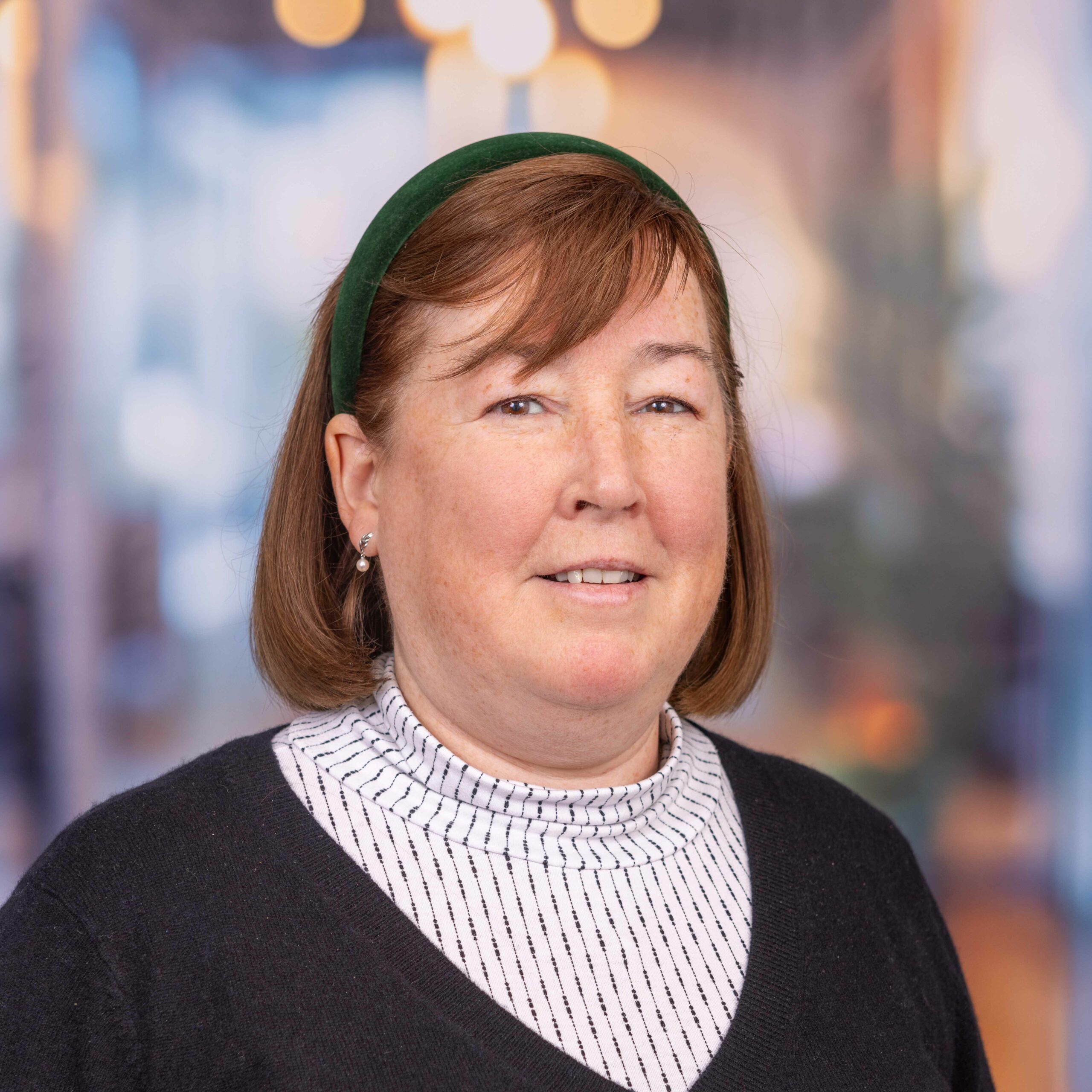
Penny Langdon
SolicitorI could not thank Alvin enough for going the extra mile to meet our requirements. The Discretionary trust is now registered with HMRC.
Dawn was fantastic! Excellent service and advice was given. I would 100% recommend Dawn and Wellers to friends and colleagues.
I am very grateful to Ms Levina Khanna of Wellers Law Group for our application for Grant of Probate. Her firmness and clarity produced exactly the desired result. Many thanks!
Thank you Nicole and team. Nicole's matter of fact but friendly approach was welcome.
Sally was incredibly helpful throughout the process of my late fathers probate, she made sure everything was done in a timely matter, explained the process throughout the whole journey and I would highly recommend Sally to anyone.
Netsai was recommended by another client and did not fail to give us excellent service while, at the same time, being extremely personable and professional. Throughout our dealings with Netsai we were impressed by her warm personality. She explained everything clearly and concisely before we made final decisions based on her excellent advice. Thank you Netsai
Tara looked after our legal needs in the preparation and completion of our Wills. Tara was highly professional, thorough, friendly, approachable and flexible in her approach with us. Correspondence from Wellers has been completed thoroughly and on time. First class service all round. Highly recommended.
The Court of Protection makes decisions on financial, or welfare matters for people who lack the mental capacity to make those decisions themselves. It also appoints deputies to act on their behalf.
The Court deals with decisions about finances, property, healthcare, and personal welfare. This includes appointing deputies, approving gifts, and ruling on disputes over an individual’s best interests.
The cost of a Court of Protection application will depend on the type and complexity of the application being made. In addition to court and medical assessment fees, there may be legal fees and ongoing supervision costs where a deputy is appointed.
At Wellers, we provide clear guidance on likely costs from the outset and will talk you through your options, including whether fees can be recovered from the individual’s estate or if any exemptions may apply.
The costs of Court of Protection proceedings are usually paid from the estate of the person lacking capacity. In some cases, particularly disputes, the court may order different arrangements.
A standard deputyship application usually takes between four to six months, but urgent applications may be fast-tracked. Timings depend on the complexity of the case and whether objections are raised.
It typically takes 16 to 24 weeks to obtain a deputyship order, though this can vary. We assist clients in preparing accurate applications to help avoid delays.
You don’t legally need a solicitor to apply for deputyship, but the process can be complex and time-consuming. Errors in the application can lead to delays or rejection. At Wellers, we help ensure your application is accurate, complete, and handled efficiently—especially in cases involving high-value estates, disputes, or urgent decisions.
The cost of applying for deputyship includes court fees, medical assessment costs, and legal fees, along with ongoing charges such as supervision fees once a deputy is appointed. The overall cost will vary depending on the complexity of the case and the level of involvement required.
At Wellers, we’ll explain the costs clearly from the outset and advise you on whether any fees can be recovered from the individual’s estate or if you’re eligible for any fee exemptions or help with payment.
Deputyship fees are normally paid from the finances of the person who lacks capacity. This includes court fees, deputy supervision fees, and professional charges if a solicitor is appointed as deputy.
A Lasting Power of Attorney (LPA) is set up in advance by someone with capacity, choosing who will act for them if needed. Deputyship is court-appointed after someone has already lost capacity and can no longer make that choice.
A deputyship ends automatically when the person under the order dies. The deputy must notify the Court of Protection and Office of the Public Guardian, and hand over relevant financial records to the executor or administrator of the estate.
London
020 7481 2422
Bromley
020 8464 4242
Surrey
01372 750100
Sevenoaks
01732 457575

We are here for your legal needs in life and in business. Please get in touch with one of our experienced solicitors, who are here to help you.
Make an enquiry